July is the month when your garden should be in full production. Vegetables are growing, flowers are in bloom and you can relax a little and enjoy the fruits of your labour.
Don’t forget that you can keep sowing throughout the summer months, not only to create a succesional harvest of vegetables (e.g. French beans for a late crop in September) but also to start growing your winter veg that will supply you with valuable crops throughout the colder months and into spring.
Sow kohlrabi, lettuce, chard, chicory, Florence fennel, coriander. At the end of the month start sowing your oriental greens like pak choi, salad rocket, mizuna, purple frills etc. and turnips. Now is a good time to sow spring cabbage (e.g. greyhound) as well.
Our Second Spring seed collection is available throughout July and August and contains a great mix of varieties which will keep you nourished through the winter months.
July is often hot and dry, so a lot of the time may be spent watering. You can reduce water loss and save time by mulching around your veggies with a layer of organic matter (straw or hey, grass clippings etc.) which will help keep the moisture in the soil.
Keep on top of your weeds, it is so much easier to get rid of them as small seedlings. Hoeing also helps to keep the moisture in the soil as it breaks up the top of the soil and stops the water from being drawn up by capillary action through evaporation
If they haven’t gone out already it is time now to plant out your leeks. Dib holes about 15cm deep and place the leeks inside. Give them a good water and leave the weather to fill up the hole with time.
If you haven’t netted your brassicas, it may be worth picking off of the caterpillars of the cabbage white butterflies that are munching away on your leafy vegetables before they have eaten them all
June is the month of mid-summer. You can tend your patch until late in the evening and make the most of the long days.
Most summer crops can still be sown, although it is getting a little late for courgettes, winter squashes and cucumbers (sow until early June). Keep on top of your salad sowing now and after solstice sow chicory, orientals, kohlrabi and Florence fennel which won’t bolt as quickly with the days getting shorter again.
It is not too late to direct sow flowers like poppies, zinnias, calendula, cosmos, sunflowers, or nasturtium.
It’s a busy time in the garden, where your labour really begins to pay off in your harvests and the unfolding beauty of the plants around you. Here’s a list of jobs to keep you busy in the long days and balmy evenings perfectly suited to a spot of gardening.
– Keep on top of sideshooting and winding on your tomatoes
– Give your tomatoes, peppers, aubergines, cucumbers, courgettes and squash an extra boost with a seaweed feed – switch to a comfrey feed once plants begin to flower
– Get your comfrey tea brewing in preparation if you haven’t already
– Protect emerging carrot seedlings from root fly with horticultural mesh
– Plant out leek seedlings once they have reached pencil-thickness
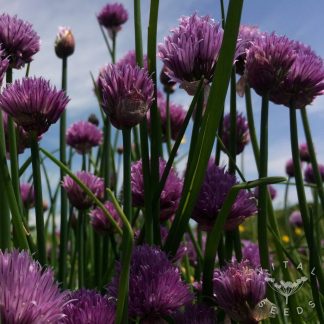
– Grow lots of insect-attracting flowers and herbs (e.g. borage, chives) to bring in the beneficial creatures such as parasitic wasps, ladybirds etc
– Sow biennial flowers like Iceland Poppies, Foxgloves, Sweet Rocket, Honesty and Hollyhock
– Get your brassica plants in the ground, planting deep and firm to establish strong growth
– Sow successional sowings of lettuce, radish, beetroot, carrots, dwarf french beans, kohl rabi and spring onions to keep continuous harvests throughout the summer
– Keep earthing up your potatoes as they grow
– Keep weeds at bay and help plants get established by hoeing reguarly. “One year’s seed, seven years weed” is how the saying goes. Chickweed can complete its life cycle in 5-6 weeks and will produce up to 20,000 seeds per plant. So make sure you stay on top of your weeds at this time of year especially!
By April, seed-sowing should be in full swing in most places in Britain. Check specific growing suggestions for individual varieties and crops…
Many vegetables can be sown direct at this point in the year: Beetroot, carrots, chard, cauliflower, kohlrabi, lettuce, leeks, radish, turnip, spring onions, peas and perpetual spinach, etc.
Some vegetables will benefit being raised in trays, pots and modules to be transplanted: courgettes and squashes after mid April, cucumber, kohlrabi, lettuce, French beans (in deep trays), summer cabbage, sweet corn (sow into deep trays for an early crop in warmer areas), tomatoes for outdoors and more.
Sow into a seedbed to transplant: Most brassicas will do well in a seedbed and leeks, too.
Sow lots of flowers now to make sure your garden is blooming in mid summer.
April is a busy month in the garden, farm and allotment with a flurry of propagation and more seedlings than there seems to be room for. As well as a working through an extensive sowing list, there’s also plenty of bed preparation to do outside to make way for all the plants as they become ready.
Here’s some ideas to keep you busy:
– Keep on top of sowing, pricking out and potting on
– Start hardening off any hardy plants that are ready to be planted outside, things like kale, broad beans, onions and beetroot
– Keep your horticultural fleece in a handy place to protect young plants if a late frost if forecast
– Set up hanging benches to extend your propagation space and to keep seedlings like peas and beans away from rodents
– Check your guttering for your water butts is properly installed and cleared to make the most of April showers
– Weed, compost and mulch your garden beds so they’re ready for planting
– Get your supports in order so that when your peas and beans are ready to be planted outside you can add the supports at the same time
– Plant second-early and maincrop potatoes
– Sow hardy and half hardy annual flowers including cornflowers, zinnia, cosmos, sunflowers, scabious and rudbeckia
– Transplant autumn sown sweet peas into their final growing positions
– Sow companion flowers to be planted in between your vegetables like marigolds, tagetes and borage
March is a big seed sowing month depending on the weather. The soil should start to warm up a little bit, but don’t jump ahead of yourself. It’s always good to watch what is going on outside. If the weeds in your beds are sprouting, it might be a good time to start sowing vegetables out there as well.
Outdoors: Root crops including beetroot (early varieties), carrots, turnips and leafy vegetables like chard, spinach etc. can be sown outside depending on the weather and according to more specific growing suggestions of individual varieties. It’s also a good time to sow radishes, spring onions, peas, broad beans and more.
Under cover: Beetroot, Brussels sprouts, kohlrabi, cauliflower, summer cabbages, onions, lettuce, celery and celeriac. Tomatoes, chillies, peppers and aubergines can still be sown until mid March for undercover cropping.
March is in full swing and there are signs of spring to be seen all around. Crocuses, daffodils and nettle are beginning to make an appearance and the pointed leaves of wild garlic are beginning to show their green abudance in hedgerows and woodlands.
It’s easy to forget the importance that these first greens would have had in the diets of our ancestors – they were not just a relief from the less than fresh stored ingredients that had been sustaining them throughout the winter, but also sources of nourishment and medicine. This medicine was not just for the body either but also for the soul in showing promise of the coming of spring.
Here’s some ideas for jobs you can be doing in your garden/allotment this month:
– Keep sowing! March is a busy time for the propagation bench – check out our older post to give you inspiration on what to sow now
– Pricking out any seedlings into larger module trays / pots once they’ve developed the first cotyledons
– Sow hardy annual flowers such as nigella, phacelia, calendula, cornflowers and ammi
– Prepare vegetable beds by weeding thoroughly and spreading a layer of good quality compost
– Plant rhubarb or lift and divide exisiting plants
– Sow your tomato seeds, using a heated propagator or a warm, sunny windowsill
– Leave seeds and suet balls out for the birds, avoiding using bird tables
After mid February light levels increase and various vegetable crops can be sown if you live in a milder part of the UK. However, even in the South of the UK temperatures can still drop below 0°C, so it is best to sow chard, lettuce, carrots, radish, peas, spinach, cabbages, etc. under cover. Be patient! Warm spells can be followed by freezing weather or flood…
Broad beans are hardy enough to be sown outdoors; they are best sown early so the plants are established before blackfly appears.
It can be a good time to get sowing your tomatoes, peppers, chillies and aubergines. They will need some extra heat and light though to do well. They are very cold sensitive and will grow ‘leggy’ if not provided with heat and light at this time of year. Onions also like a little heat to germinate and can then be grow on under cover until ready for planting.
In a few weeks time your propagation table / bench will be a hubbub of activity as the seed sowing really kicks off for the year. Well done for keeping patient, you will be rewarded with much quicker germination and healthier seedlings for doing so. In the meantime there’s a few things you can do to keep busy.
Overall this month is about getting prepared for the months to come. Making sure your tools are organised, sharp and clean, your compost is ready and your pots, trays and modules are washed and tidy will stand you in good stead.
Especially when growing an organic garden, planning where your crops go and when is important. Crop rotation helps to reduce a build up of crop-specific pests and diseases, to maintain a good soil structure and to manage fertility of the soil. Planning your garden will make you feel organized, ensure you get a harvest all year round, and get you excited about the season ahead.
It’s the time of year when you’ll be going through your stored seeds from previous years wondering if they’re still good. Try germination testing them (see our how-to guide here) before replacing and ordering more. Try some new varieties this year. Get inspired in our seed shop here!
Get your tools and growing materials ready now. Stock up on seed compost (we recommend peat-free growing media), and pots, containers, tools etc. There is an endless amount of used pots, containers, tools, gardening materials in the world, that aren’t in use and often there is no need to buy things new. You can rummage in car boot sales, ask friends, family, neighbors or freecycle.org is a good website where people offer items they do not want anymore. Clean and repair everything so you can get going as soon as the weather permits.
Beat the winter blues by getting excited about the growing season ahead!
There is a general rule to not sow any seeds 6 weeks either side of Christmas, as there is just not much energy from the sun available in terms of both light and heat and seeds and seedlings can struggle to get going.
There are some seeds that can be sown in January but there are caveats to this – see below:
Unheated in module trays or pots under cover from mid-Jan:
It’s January. The time of new beginnings and for many, resolutions about the season ahead. Do you have any dreams for your garden in 2025? While the soil and land are still sleeping, it’s a great time to do some visioning for your hopes and dreams for your garden. Is there anything you’d love to grow that you’ve never tried before? Have you just landed on a new growing space and have a whole world of potential at your fingertips?
Here are some growing tips for those hours when you’re keen to get out into the winter sun and make some progress:
Organising your tool shed, sharpening and fixing any tools
Delving into your favourite growing resources to deepen your knowledge – (check out our Growing Guides for crop-specific growing/seed saving instructions) – https://vitalseeds.co.uk/growing…/growing-resources/
Do germination tests on any seeds leftover from previous seasons that you aren’t sure will still be viable
Design your plot, successional plantings and crop rotations for the season ahead
Attend a local seed swap – meet with other seed enthusiasts in your community and swap seeds and knowledge
Weed and clean your propagation tunnel, trays and propagation materials
Clean your polytunnel plastic / greenhouse glass to remove any debris and algae
Inspect your polytunnel plastic for any tears and use special repair tape to cover
Prune fruit trees and bushes, removing any congested, diseased or damaged branches
Force your rhubarb to produce early shoots by covering the crown with a bucket or special rhubarb forcing pot
Sow sweet peas by soaking the seeds overnight and placing four seeds into each corner of a 9cm pot
It has been a while since we wrote a newsletter, we have been very busy!
I think it’s fair to say that it’s been a strange old year weather wise which has had its effects on all of us folk who grow veg. The record-breaking February heat wave was followed by a cold dry patch and then a cold wet stint too. Finally, now we have passed mid-summer it is starting to actually feel like summer, but let’s not hold our breath!
We are settling into our new site now and most of our crops are looking great. We have now started to harvest our first seed-crop of the year which is Cavolo Nero kale, and we are very excited about it. We have been busy building a large polytunnel for heat-loving crops, and some smaller isolation tunnels to stop some of our outdoor crops from cross-pollinating with our neighbours’. We have been really lucky to have found so many second hand materials to set up our site, including three polytunnels (only one up so far, more to come), and lots of other bits and pieces.
Kale seed drying in the polytunnel
SECOND SPRING SOWING TIME IS HERE! WE’VE PUT TOGETHER A SPECIAL SEED COLLECTION FOR YOU…
I know summer has only just begun but now is the time to start thinking about winter. If you want to carry on eating delicious fresh veg in the colder months then now is the time to start thinking about it. There are many crops that can be sown between now and winter, in fact, we at Vital Seeds refer to this second half of the summer as the ‘Second Spring’ as there’s so much stuff to get sown. Often winter crops can fit in the garden nicely after early crops have finished.
Seeds that can be sown during the next few months include: oriental salads, kale, rocket, winter lettuce, beetroot, fennel, claytonia ‘Winter purslane’, corn Salad / Lambs lettuce, turnips, spring onions, spring greens, kohlrabi, chard, chicories.
We have put together a limited amount of ‘Second Spring’ seed collections, which contain 10 varieties of veg to stock you up for this period. You can pick one up by clicking on the picture of Ronja below! As with our other collections, ‘Second Spring’ has a 10% bulk discount.
Gardening tips for July
Sowing: beetroot, carrot, lettuce, spinach, spring greens, dwarf French beans, oriental salads, kale, kohlrabi, fennel , radishes Harvest: courgettes, peas, French beans, lettuce, beetroots, broad beans, radishes
Crop care Tomatoes – remember to regularly ‘side-shoot’ tomatoes, this is the process of removing the shoots that grow in between the leaves and the stem of the plant. Removing the side-shoots means that you can keep a single vine per plant which is much easier to manage, and the plant can concentrate on putting their energy into making fruit. Its also good to remove the bottom leaves of the plants up to the first truss (bunch of fruit), this allows better air-flow around the base of the plants and helps sunlight to penetrate to the fruits to help ripen them. Salad – Spring-sown lettuce will bolt soon, so it’s a good idea to keep sowing more. Also now that mid-summer has passed oriental leaves can be sown such as mizuna and purple frills (if sown in early summer they bolt quickly with the lengthening days). Onions – keep them well watered at this time of year, to ensure good bulb formation Peas, beans and courgettes – keep harvesting from these to encourage the plants to produce more, if the seeds are allowed to mature in the fruits then the plants can stop producing, as all they really want to do is make seeds! Of course you might want to save some of your own seed… Seed saving – If you want to save some seed this year from annual crops (peas, beans, lettuce, tomatoes) now is a good time to think about it. For peas and French beans, you can choose a couple of your strongest and most productive plants and leave the pods on them to fully ripen. Lettuce will flower soon, sending up a large flower stalk covered in yellow flowers which will then set seed. Its best to not harvest too many leaves from plants you want to save seed from as it will weaken them. Tomato seed is a bit more complicated, and needs fermenting, we will discuss this in next months newsletter as not many people will have ripe tomatoes yet. Weeding – At this time of year the weeds can quickly take over if you turn your back! Try to keep the ground weed-free, the best time to catch the weeds is when they have just germinated, then they can be hoed off quickly and easily. If left to get bigger removing them is much more work. You can also use a mulch at this time of year to keep the weeds down, but it must be a few inches thick to be effective. If it’s put on too thin the weeds will grow through it and you can hoe through a mulch. Watering – keep plants watered while the weather is hot. The best time to water is in the morning or evening so that water does not evaporate in the heat of the day. To encourage your plants to grow deep roots its better to water less often but for a longer amount of time. Enjoy your garden! – Remember to enjoy your garden, this is a lovely time of year on the veg patch and although there might be loads of stuff on your list to do, make sure you take time to appreciate what you have already achieved.
Claytonia ‘Winter Purslane’ tips: Sow seeds in well-watered shallow drills or broadcast sparsely; seeds and seedlings should be kept moist. Leave to flower and seed if you want plants to grow again the next season, otherwise dead head flowers as soon as they bloom.
There is something nice
about a new year, the feeling of fresh starts, and new opportunities.
Those of you follow us
on social media may already know, but we are particularly excited to announce
that we will be moving our growing operation onto a new piece of land in the
next few weeks, where hopefully it can stay for the foreseeable future. Our
patch is based on an existing certified organic farm in Buckfastleigh, in South
Devon, which is right where we wanted to be. We cannot wait to put up some
polytunnels and get growing!
Our seed collections we
released before Christmas have been a huge success, and we will continue to
sell these. If anybody has interesting ideas for seed collection themes then
let us know we would love to hear. We are thinking maybe colour themed
collections, like golden or purple could be fun.
When should you start
sowing seeds? Although it can be tempting to sow seeds as soon as possible, we
would not recommend sowing many things before March, unless you have access to
heat and light, as there is so little sun energy available at the moment for
plant growth. There are some things that you can start to sow in February under
cover such as lettuce, oriental salads, and onions, and if you have space
indoors then this is also the time to start your tomatoes, peppers, and
aubergines.
—-
No matter how
experienced you are, no two years are the same in a garden. There are so many
factors which can have profound effects on the growing season. Be it a winter
two months longer than expected (ahem, sounds familiar) or a record-smashing
hot and dry summer (ahem) or one followed by the other (!), we never know what
is in store for us. If we did, wouldn’t life be boring?
We love this time of
year, as it is a dreaming period. We are dreaming of all the amazing crops we
will grow and the satisfaction which that brings with it. We have images in our
minds of abundance and flourishing life, which can feel lacking when we look
out of the window at the moment (although if you look closely enough there is
still quite a lot going on out there).
Of course, reality
rarely matches our dreams. As soon as we start to sow seeds we are reminded of
how vulnerable we are, and that things may not be quite as easy as they had
seemed in our dreams! Mice eat freshly sown seeds, slugs eat freshly germinated
seedlings, polytunnel gets too hot because we forget to open it at the weekend,
compost dries out and bugs and rabbits share our harvest. Real life is not
simple. But we do not let this ruin our dreams, we just have to not be too
attached to every detail of our dreams coming true. Yes, we will create an
abundant garden, flourishing with life, and yes, we will bring in great
harvests. However, there will be complications too, and we must see the value
in the complications, as this is where we can learn the most, and if life is
not about learning then what it is about? A wise sage once said: “I have
learned so much from my mistakes, I think I will make some more”.
Sow your seeds from June to July; they can be sown directly or in modules for the best results. Avoid sowing too early. Sow seeds in rows around 30 cm apart, placing seeds every 5 cm and later thinning to achieve a 30 cm spacing. Consume the thinned plants; they may be small, but they are delicious. Sow 3 seeds per module and thin to 1 per module when they are large enough.
Transplanting
Ensure your seed bed is free from weeds. Sheltered, sunny sites are best, but they will tolerate some shade and can be grown between taller plants. Plant your seedlings in rows approximately 30 cm apart. Ensure plants are spaced 30 cm apart in the row, water well, and mulch around them without touching.
Plant Care
Keep the area weed-free and watered during hot spells. The lack of water can make them more bitter. Mulch around the plants to retain moisture and prevent weeds. If your variety requires forcing/blanching, cover it for 2 weeks before harvest. For winter forcing varieties, this can be done in November. Dig up dormant roots, store them in sand, bring them indoors, and plant in pots with buckets over the top to force pale yellow sprouts for winter harvests.
Challenges
Protect plants from slugs and snails, as they prefer direct-sown seedlings. Avoid watering in the evening, as this encourages overnight slugs and snails. Encourage predators such as ground beetles, lizards, slow worms, and, if you’re lucky, hedgehogs into your growing space by creating suitable wildlife habitats.
Harvest
From seed, they take around 4 months to fully grow, but younger plants can be harvested to thin out the rows. Some radicchio can be regularly harvested on a cut-and-come-again basis, while others will be harvested all at once as a head.
Culinary Ideas
There are many culinary uses for chicory and radicchio. The leaves of most varieties can be added raw to salads. They can also be cooked by sautéing or grilling. The bitter flavors of chicory are well matched to strong flavors such as walnuts and blue cheese.
Seed Saving
Select at least 10 good plants to save seeds from. Allow these plants to flower and wait for the seeds to ripen. Keep a close eye on them; the seeds are ready when the heads turn brown, and you can see clusters of seeds inside. You can either harvest individual seed heads or the whole plant when 60-70% of the seeds are ripe. Leave the plants to dry for a couple of weeks before shaking off the ripe seeds. Store them in a cool, dry place for up to five years.
Cookies
We use cookies on our website to give you the most relevant experience by remembering your preferences and repeat visits. By clicking “Accept”, you consent to the use of ALL the cookies.
This website uses cookies to improve your experience while you navigate through the website. Out of these, the cookies that are categorized as necessary are stored on your browser as they are essential for the working of basic functionalities of the website. We also use third-party cookies that help us analyze and understand how you use this website. These cookies will be stored in your browser only with your consent. You also have the option to opt-out of these cookies. But opting out of some of these cookies may affect your browsing experience.
Necessary cookies are absolutely essential for the website to function properly. These cookies ensure basic functionalities and security features of the website, anonymously.
Cookie
Duration
Description
cookielawinfo-checbox-analytics
11 months
This cookie is set by GDPR Cookie Consent plugin. The cookie is used to store the user consent for the cookies in the category "Analytics".
cookielawinfo-checbox-functional
11 months
The cookie is set by GDPR cookie consent to record the user consent for the cookies in the category "Functional".
cookielawinfo-checbox-others
11 months
This cookie is set by GDPR Cookie Consent plugin. The cookie is used to store the user consent for the cookies in the category "Other.
cookielawinfo-checkbox-necessary
11 months
This cookie is set by GDPR Cookie Consent plugin. The cookies is used to store the user consent for the cookies in the category "Necessary".
cookielawinfo-checkbox-performance
11 months
This cookie is set by GDPR Cookie Consent plugin. The cookie is used to store the user consent for the cookies in the category "Performance".
viewed_cookie_policy
11 months
The cookie is set by the GDPR Cookie Consent plugin and is used to store whether or not user has consented to the use of cookies. It does not store any personal data.
Functional cookies help to perform certain functionalities like sharing the content of the website on social media platforms, collect feedbacks, and other third-party features.
Performance cookies are used to understand and analyze the key performance indexes of the website which helps in delivering a better user experience for the visitors.
Analytical cookies are used to understand how visitors interact with the website. These cookies help provide information on metrics the number of visitors, bounce rate, traffic source, etc.
Advertisement cookies are used to provide visitors with relevant ads and marketing campaigns. These cookies track visitors across websites and collect information to provide customized ads.
Other uncategorized cookies are those that are being analyzed and have not been classified into a category as yet.
*** STOCK NOTICE ***
We are still tresting and packing a few varieties from this season's harvest. You can sign up for re-stocking notifications for specific varieties on their product page.